
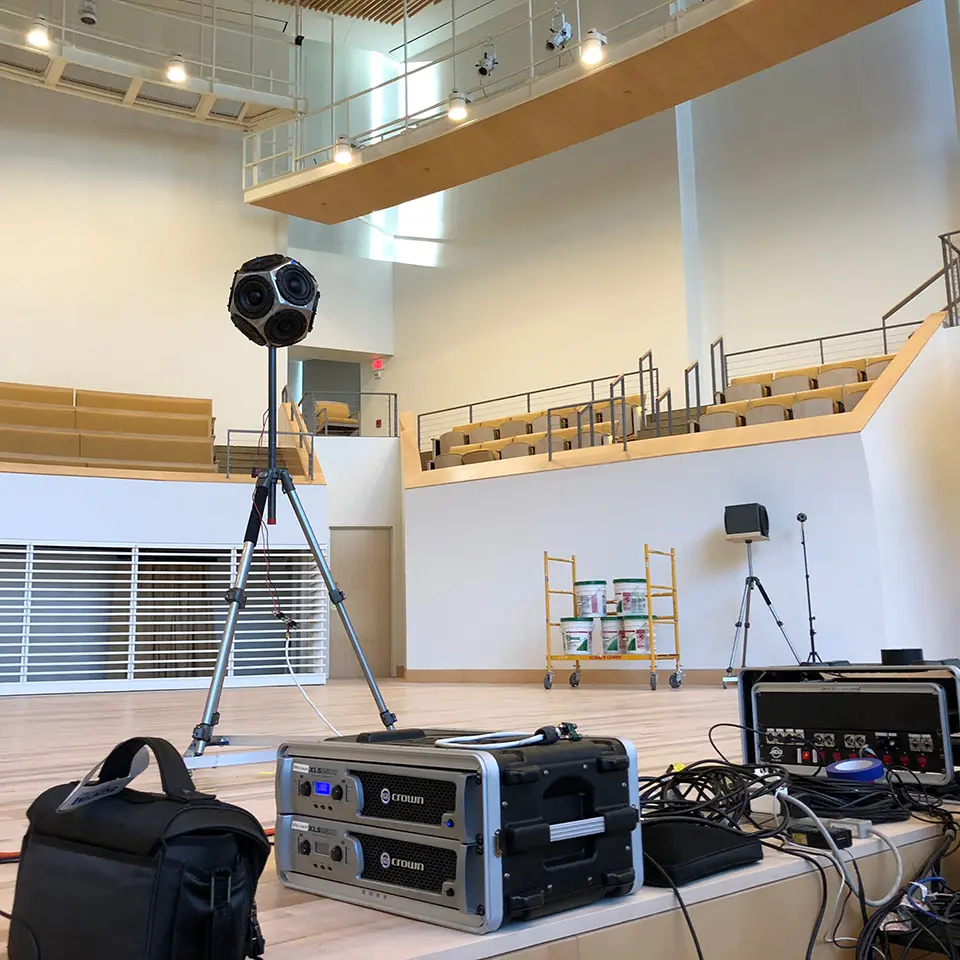

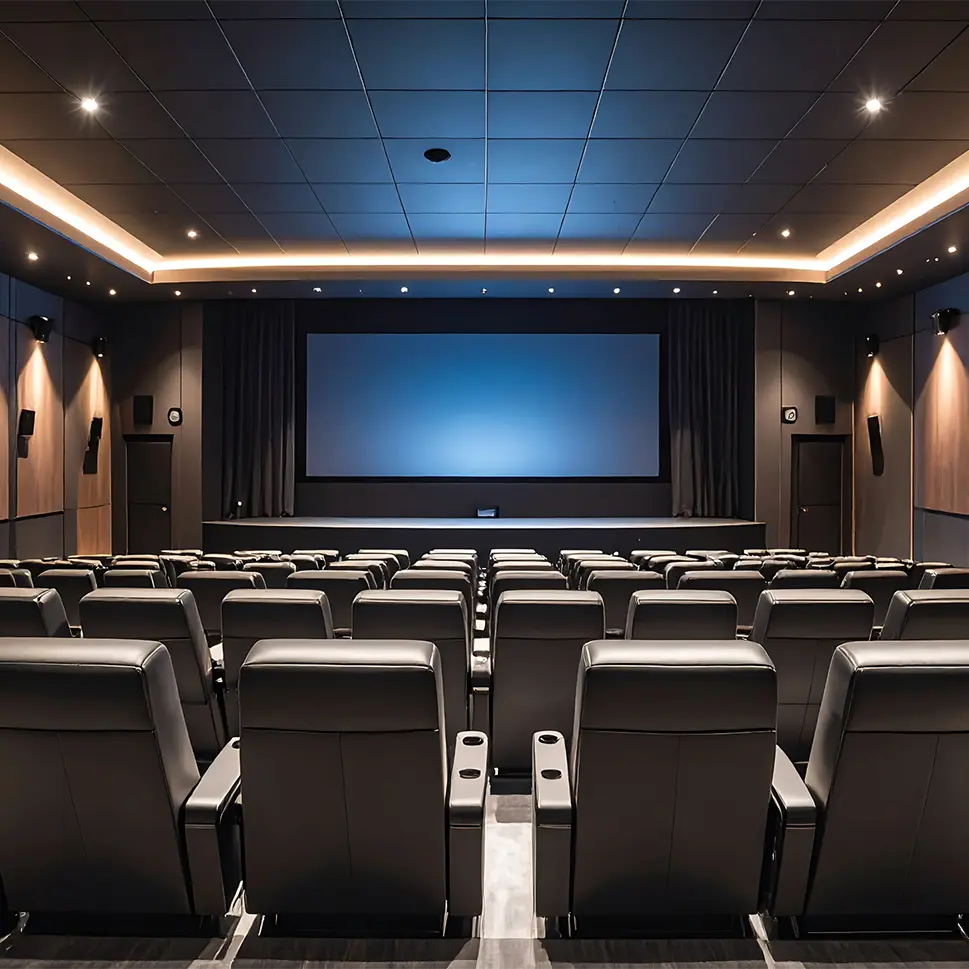
The geometry of a room and its finishes are the factors that shape our perception of the sounds created in these spaces.
Our work includes the design and specification of these variables, often in collaboration with the architectural firm, to achieve the proposed acoustic objectives for the room.
Some common objectives are ensuring good speech intelligibility or creating the necessary acoustic conditions for the enjoyment of a particular style of music. Computational modeling and auralizations are some of the tools we use to perform precise analyses of a room’s internal acoustics.
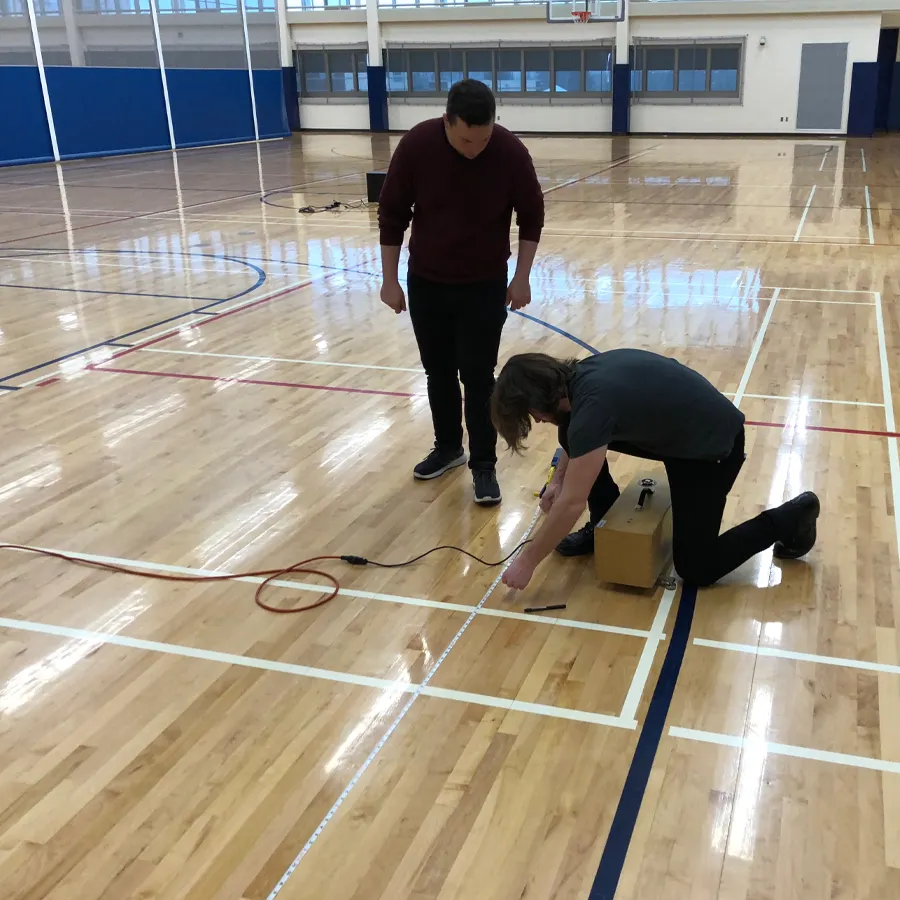
The intrusion of sound from a noisy environment into a sensitive one can cause distraction and discomfort to its occupants. Acoustic insulation is the key to preventing these types of problems. Sound isolation should be designed and incorporated in the early stages of an architectural project, which makes it more effective and economical, since achieving sound isolation once the space is built is difficult and costly.
The propagation of sound in the atmosphere affects human communities and the habitats of wildlife. When a new noise source, such as a factory or an airport, is sited, its impact on the surrounding areas must be analyzed.
Modeling sound propagation using computational techniques and measurements allows for the implementation of control and mitigation strategies to achieve a healthier environment.
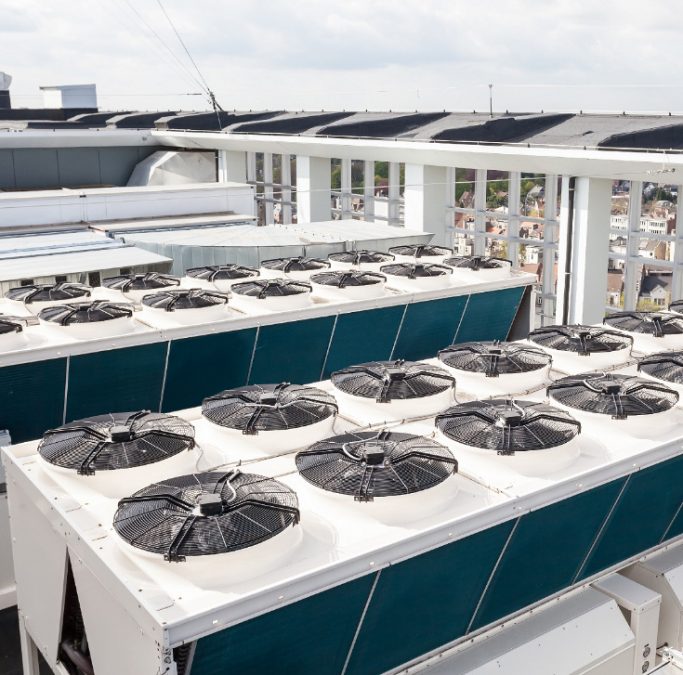
The control of noise and vibrations of mechanical, electrical, and plumbing systems (MEP) is of vital importance to create healthy environments, free from distractions and disturbing noises, for spaces for work and play. The design of these systems must be incorporated in the early design phases of the project, since, once they are installed, remedial measures are usually more expensive and cumbersome.